
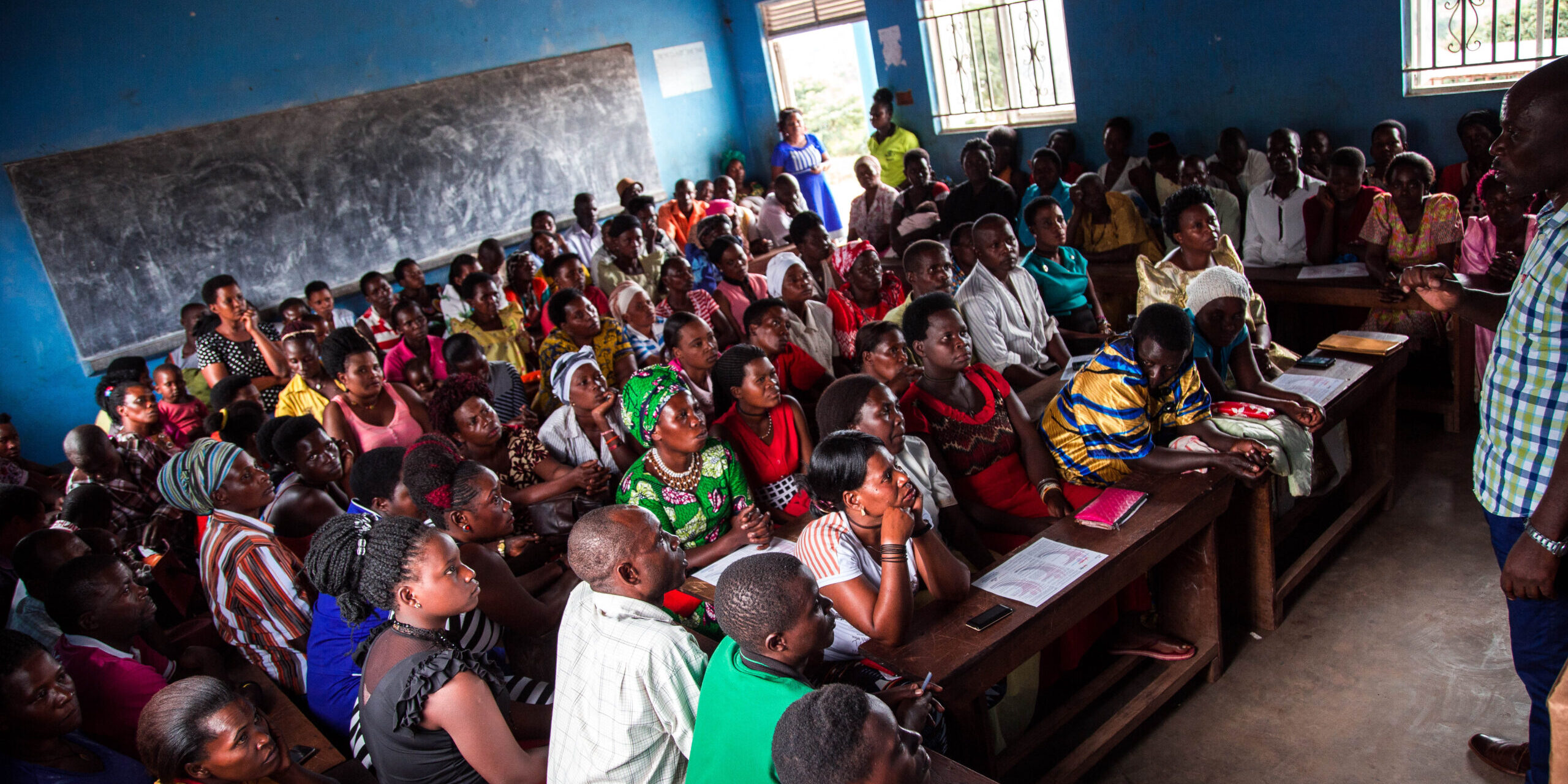
Building Communities Requires More Than Good Intentions
Lessons from 15 Years of Transformation in Kalonga
Introduction: Creating Pathways for Potential
When our family and church community first settled in Kalonga twenty-five years ago, we arrived with little more than faith, hope, and a desire to serve.
Clean water was scarce. Healthcare was limited. Schools were often miles away. Economic opportunities were few, and the community’s remoteness discouraged investment and skilled professionals.
Yet what stood out most was not what the community lacked. It was what the community possessed: hardworking families, resilient children, and young people who dreamed of a better future.
The challenge was not a lack of potential. The challenge was creating pathways for that potential to flourish.
What I Thought Community Transformation Would Look Like
Fifteen years ago, I was given the opportunity to help lead community transformation efforts in Kalonga. I was excited.
I was full of energy, optimism, and faith. I believed that if we worked hard, prayed faithfully, and launched the right projects, transformation would naturally follow.
I quickly discovered that community development is far more complex than I imagined.
Opposition appeared almost immediately. Some challenges were visible. Others were hidden beneath the surface. Problems that seemed unrelated often turned out to be deeply connected.
At the time, I had little formal background in community transformation. Like many leaders stepping into unfamiliar territory, I learned largely through experience, trial and error, and the willingness to keep going when things did not work as expected.
Over the years, we launched numerous projects designed to improve lives and create long-term opportunities. Some produced encouraging results, while others revealed how difficult it can be to create lasting change in communities facing deep and interconnected challenges.
One exception was education.
The school consistently produced visible, long-term impact. Children grew. Families engaged. New opportunities emerged.
That experience taught us an important lesson: sustainable transformation is ultimately about investing in people.
The Challenge of Capacity
As the work expanded, another challenge became increasingly apparent.
The remoteness of the community made it difficult to attract and retain people with specialized skills and experience. Access to healthcare, housing, education, transportation, and other services remained limited, making long-term commitment difficult for many professionals.
As a result, I often found myself filling multiple roles at once—planning projects, preparing budgets, supervising construction, organizing events, managing logistics, writing reports, and oftentimes traveling long distances to obtain supplies or attend meetings.
At the time, I viewed this as part of the sacrifice required to serve.
Looking back, I see a deeper lesson.
The challenge was not simply a shortage of personnel. It revealed one of the greatest barriers facing many rural communities: the need to develop local capacity.
Projects can be started by a few committed individuals. Long-term transformation requires teachers, healthcare workers, entrepreneurs, technicians, managers, leaders, and mentors who can carry the work forward.
The more we learned, the more we realized that community transformation involves more than infrastructure, services, or economic opportunity. It requires addressing the human, social, and spiritual foundations that enable communities to flourish.
Looking Beyond What We Can See
When people think about poverty, they often think about visible needs: schools, healthcare, water, roads, housing, or jobs.
These needs are important, but they rarely tell the whole story.
Many communities also carry invisible burdens.
Some families live with the effects of trauma, loss, violence, neglect, or years of hopelessness. These wounds are harder to measure than school enrollment or household income, yet they often shape how people view themselves and their future.
As followers of Christ, we believe transformation involves both spiritual and practical realities. At its core, the gospel addresses the deepest needs of the human heart, from which lasting transformation flows into every area of life.
We witnessed these realities firsthand in Kalonga.
Community disputes sometimes escalated into physical confrontations. Families faced illnesses that could have been treated if healthcare had been accessible. Parents buried children because conditions that were preventable elsewhere became life-threatening in an isolated rural setting.
Many families collected water from hand-dug valley dams shared by both people and animals. During dry seasons, water became scarce. Children often spent valuable time searching for water instead of attending school or helping with productive activities.
The more we observed, listened and learned, the more we realized:
Transformation is rarely the result of one project. It is the gradual process of helping communities move from survival toward wholeness and requires a long-term commitment.
Another Lesson We Didn’t Expect
One lesson that surprised me was how difficult it can be for people living in poverty to participate in opportunities designed to help them.
From a distance, the solution can appear simple: offer training, teach new skills, provide information, and create opportunities. Yet reality is often more complicated.
Many families in rural communities live from one day to the next. Their time is consumed by finding food, earning income, caring for children, tending crops, collecting water, and responding to life’s daily challenges.
We occasionally organized meetings, training sessions, and community programs that seemed valuable and relevant. People often expressed genuine interest, yet participation was not always consistent.
Over time, I realized the issue was rarely a lack of willingness. It was a lack of margin.
A parent who depends on today’s work to provide today’s meal may not have the freedom to spend hours attending training, even if it could improve their future. Survival leaves little room for learning, planning, or experimentation.
This lesson also helped us understand the importance of supporting families with some of their most immediate needs.
Over the years, we found that when basic needs such as food security, healthcare, education support, or access to safe water remain unmet, survival naturally becomes a family’s first priority. It is difficult to focus on training, entrepreneurship, leadership development, or long-term planning when daily life is dominated by urgent needs.
While our vision has always extended beyond relief, we learned that meeting basic needs can create the stability and margin people need to pursue new opportunities. In many cases, providing practical support was not separate from transformation—it helped create the conditions that made transformation possible.
This lesson helped us better understand why our investment in children was producing some of the most lasting results.
From the beginning, education had been a central part of our vision. As the years passed, our experience repeatedly confirmed its value. While we continued developing programs that supported families and improved community life, we saw how investing in children and young people created opportunities that extended far beyond the classroom.
Children have the chance to learn before the pressures of survival fully shape their choices. Education equips them with knowledge, confidence, skills, and hope. It prepares future teachers, entrepreneurs, leaders, and parents who will one day influence their families and communities.
Looking back, one of the clearest lessons we learned is that helping a child thrive today can help transform a community tomorrow.
Education: The First Seeds of Change
One of the earliest areas of investment was education.
The beginning was modest. Classrooms were simple. Resources were limited. Recruiting qualified teachers was difficult.
Yet families embraced the opportunity because they understood something powerful:
Education could open doors that had previously been closed.
Year after year, small improvements accumulated.
Enrollment increased. Learning environments improved. More children gained access to quality education.
Today, some of the fruit is becoming visible.
One former student, Brian, once sat in those classrooms as a young child. Today, he serves as the Head teacher, helping educate the next generation of students in the same community where he grew up.
His journey reflects a larger truth.
Education does more than prepare children for examinations. It develops future leaders, parents, entrepreneurs, professionals, and community builders.
When Acess to Clean Water improves health and productivity
Community transformation often advances through milestones that may seem ordinary to outsiders but are life-changing for local families.
Access to safer water is one example.
Before improvements were made, Mr. John´s family spent hours each week collecting water from a valley dam shared by livestock and exposed to contamination.
Illness was common. Time was lost. Today, their daily routine looks very different.
Children miss fewer hours of school. Time once spent searching for water can now be invested in farming, family life, and income-generating activities.
Sometimes the most practical improvements create the most far-reaching impact.
Building the Foundations for Growth
As years passed, other forms of development followed.
Healthcare outreach expanded access to medical services. Community awareness around sanitation and preventative health increased. Electricity eventually reached the area, opening new possibilities for education, communication, and business.
Internet connectivity later connected the community to information and opportunities that previous generations could scarcely imagine.
Economic activity also began to grow.
One young entrepreneur, Diana, represents this change. After receiving training and start-up capital, she turned her passion for knitting into a thriving business producing school sweaters, even with very limited resources. Over time, her business grew. Today, she supplies more than 24 schools, continues to reinvest her earnings to expand, and also trains other girls in knitting—empowering the next generation.
Her story is not only about financial success, but also confidence, skills, and the ability to create opportunity where few opportunities once existed.
The Power of Raising Local Leaders
Perhaps the clearest sign of transformation is not found in buildings or infrastructure. It is found in people.
Many of the changes we celebrate today are the result of community members who embraced opportunities, took ownership, and became active participants in shaping their future.
Some of the children who once received support through community programs are now teachers, skilled workers, business owners, mentors, and community leaders.
- They understand the challenges because they have lived them.
- They understand the culture because it shaped them.
- And they are helping guide the next generation.
This is where transformation becomes sustainable.
Communities grow stronger when they develop the ability to solve problems from within.
Looking Ahead: The Next Chapter
As we reflected on the progress made over the years, a new question emerged:
How do we prepare the next generation for a rapidly changing world while enabling them to remain agents of transformation within their own communities?
This question inspired the vision for the Hope Innovators Hub.
While still in the planning stage, the Hope Innovators Hub represents our desire to create a space where young people can gain practical skills, leadership training, entrepreneurship support, technological exposure, and opportunities to innovate.
The goal is not simply to help young people leave rural communities.
The goal is to equip and inspire leaders who can strengthen them.
Join the Journey
Looking back, one lesson stands above the rest:
Projects matter. Infrastructure matters. Funding matters. But people matter most.
If there is one lesson Kalonga has taught us, it is that lasting transformation happens when people are equipped with the knowledge, skills, and opportunities needed to unlock their potential.
For fifteen years, we have seen that transformation is rarely the result of one project, but a gradual journey from survival toward wholeness.
Along that journey, we have learned that families often need both immediate support and long-term opportunity. Meeting urgent needs can provide the stability required for education, personal growth, and community participation to take root.
At Hope & Care, that conviction has reinforced the importance of investing in children and young people. Time and again, we have seen how education, mentorship, and opportunity can help raise future teachers, entrepreneurs, leaders, and community builders.
We remain deeply grateful to every donor, volunteer, church member, partner, and friend who has walked alongside us over the years. Every child educated, every family supported, every healthcare outreach conducted, and every opportunity created reflects the contribution of many people working together toward a shared vision.
Today, the next chapter is still being written.
Somewhere in our community is a future teacher waiting for an opportunity to learn, a future entrepreneur waiting for a chance to grow, or a future leader whose potential has not yet been fully realized.
Whether you are a community leader, educator, entrepreneur, church member, volunteer, donor, or simply someone who believes lasting change is possible, we invite you to join us.
You can pray. You can share. You can mentor. You can partner. You can give.
Most importantly, you can help invest in the next generation.
Because when children are given knowledge, opportunity, and hope, they do more than change their own lives. They help transform entire communities.
For fifteen years, we have seen what happens when potential is given a pathway to flourish.
And we believe the next chapter of Kalonga’s story may be even more remarkable than the last.